The Case for the JDM Daily Driver
Driving a twenty-five-year-old car every day sounds like a gamble to some. To many enthusiasts, it is an opportunity to escape the monotony of modern plastic interiors and numb driving experiences. Japanese Domestic Market (JDM) vehicles earned a global reputation for reliability during the 1990s. That reputation makes many of these icons perfect candidates for a daily commute in the United States. You do not have to reserve these cars for weekend shows or track days. Many JDM classics were originally built to be dependable workhorses for Japanese families and businessmen.
Choosing a JDM car for a daily commute requires a balance of character and practicality. You need something that can handle stop-and-go traffic, maintain highway speeds, and not cost a fortune at the gas pump. While a Nissan Skyline GT-R is a legend, it might not be the most logical choice for a grocery run or a forty-minute trek to the office. Instead, focus on models that shared platforms with American counterparts or used engines known for their bulletproof construction.
Toyota Chaser JZX100: The Executive Commuter
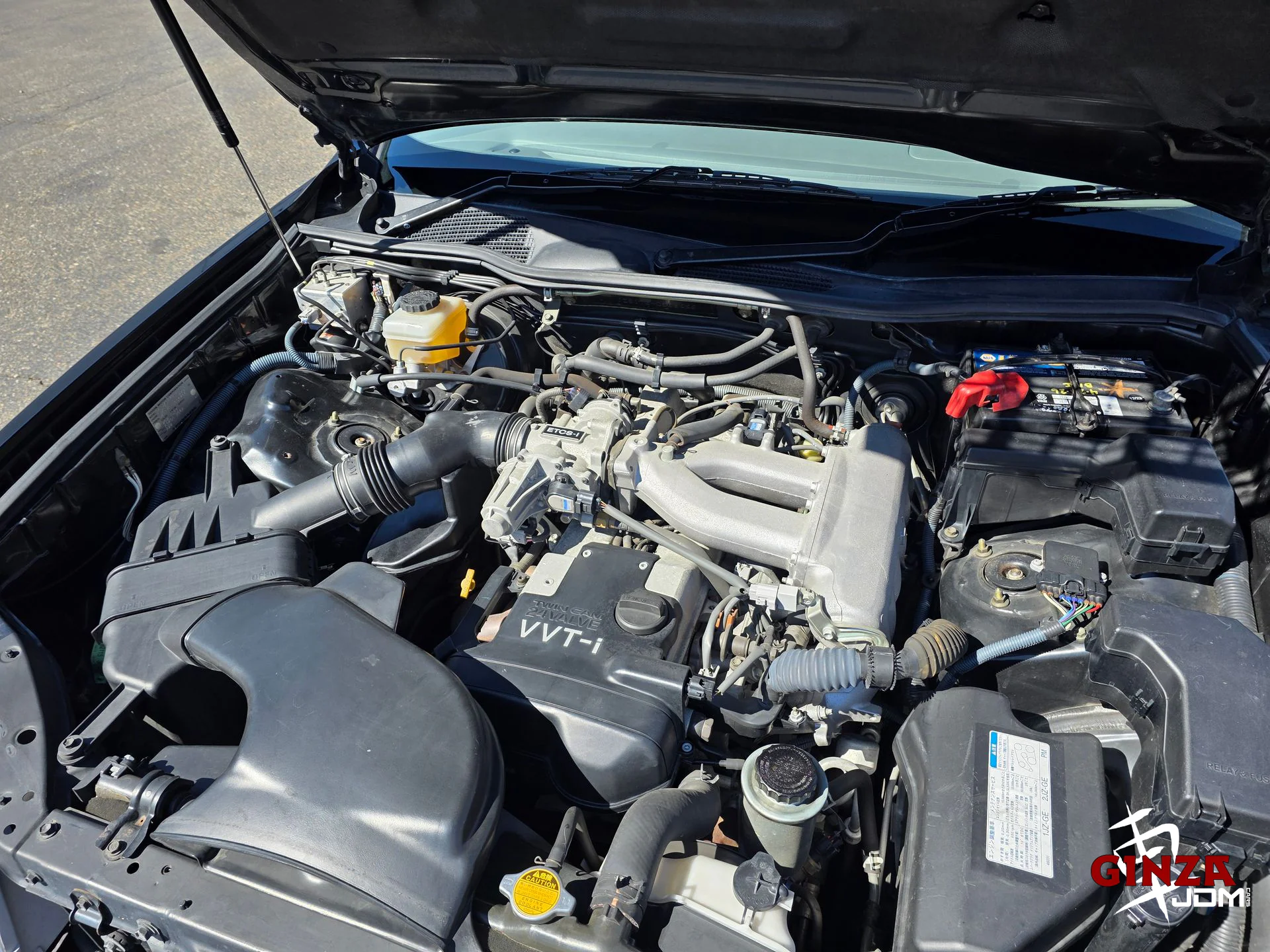
The Toyota Chaser is perhaps the ultimate JDM daily driver. It is a mid-sized sedan that offers a perfect mix of luxury, space, and performance. Most enthusiasts hunt for the Tourer V trim because it features the legendary 1JZ-GTE engine. This 2.5-liter turbocharged inline-six is famous for its durability. It can handle significant power, but in stock form, it is remarkably smooth and reliable.
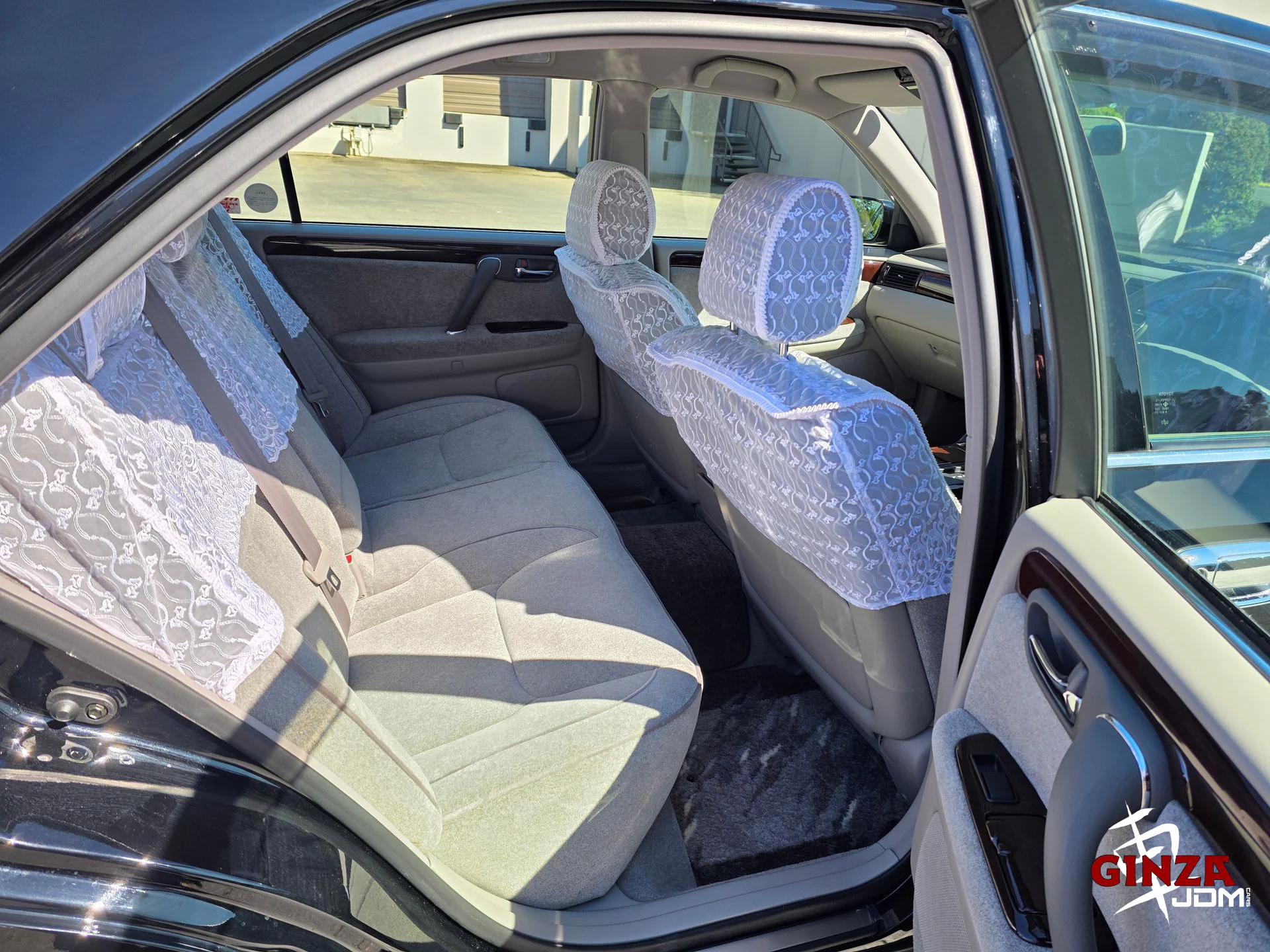
Inside, the Chaser feels like a high-end Lexus from the same era. You get comfortable seating for five adults and a trunk large enough for a full week of groceries. The ride quality is compliant enough for rough American pavement. Since it is a four-door sedan, you do not have to struggle with the cramped rear seats found in many JDM coupes. Parts are relatively easy to find because many mechanical components are shared with other Toyota models sold globally. Bogdan Vovk often emphasizes the importance of selecting vehicles with documented maintenance, and the Chaser is a model where that diligence really pays off.
Honda Civic Type R (EK9): The Practical Performance Hatch
If you want something smaller and more fuel-efficient, the Honda Civic Type R (EK9) is a fantastic option. It represents the pinnacle of Honda's golden era of engineering. The B16B engine under the hood is a masterpiece. It provides high-revving thrills when you want them but behaves perfectly well during a quiet drive to work. You can expect excellent fuel economy compared to larger turbocharged sedans.
The hatchback design provides surprising utility. You can fold the rear seats down to carry larger items that would never fit in a sports car. Parking is a breeze due to its compact dimensions. While the interior is focused on the driver, it remains ergonomic and functional. The main challenge with the EK9 is its increasing rarity and value. However, for a driver who wants a car that feels alive at every corner while remaining easy to park in a city, the Civic is hard to beat.
Nissan Gloria and Cedric: The Japanese Cadillac
For those who prioritize comfort above all else, the Nissan Gloria and Cedric (specifically the Y33 and Y34 generations) are excellent choices. These cars were designed as luxury cruisers for the Japanese market. They often come equipped with smooth V6 engines or the reliable VQ series motors. The ride is soft, the seats are plush, and the cabin is remarkably quiet.
These models often feature high-end tech for their era, such as digital climate control and premium sound systems. They offer a unique aesthetic that stands out from the sea of modern crossovers without being overly aggressive. Because they were not marketed as sports cars, many Gloria and Cedric units were well-maintained by their original owners in Japan. This makes them some of the cleanest imports available today. They are perfect for long highway commutes where you just want to relax in a comfortable seat.
The Suzuki Jimny: A Tiny Commuter for Tough Weather
Not everyone lives in a place with smooth, sun-drenched highways. If your daily commute involves narrow city streets or snowy winter roads, the Suzuki Jimny is a cult favorite. It is a tiny 4x4 that is surprisingly capable. The JDM version often uses a 660cc turbocharged engine to fit into the Kei car category. This means it is incredibly fuel-efficient and easy to maneuver through tight traffic.
The Jimny is not a highway star. It struggles at speeds above 70 mph and the interior is basic. But for a short city commute or rural driving, its charm is unmatched. It is rugged, easy to repair, and has a massive community of owners who share maintenance tips. It offers a level of visibility and ease of use that modern SUVs simply cannot match.
Adjusting to Right-Hand Drive
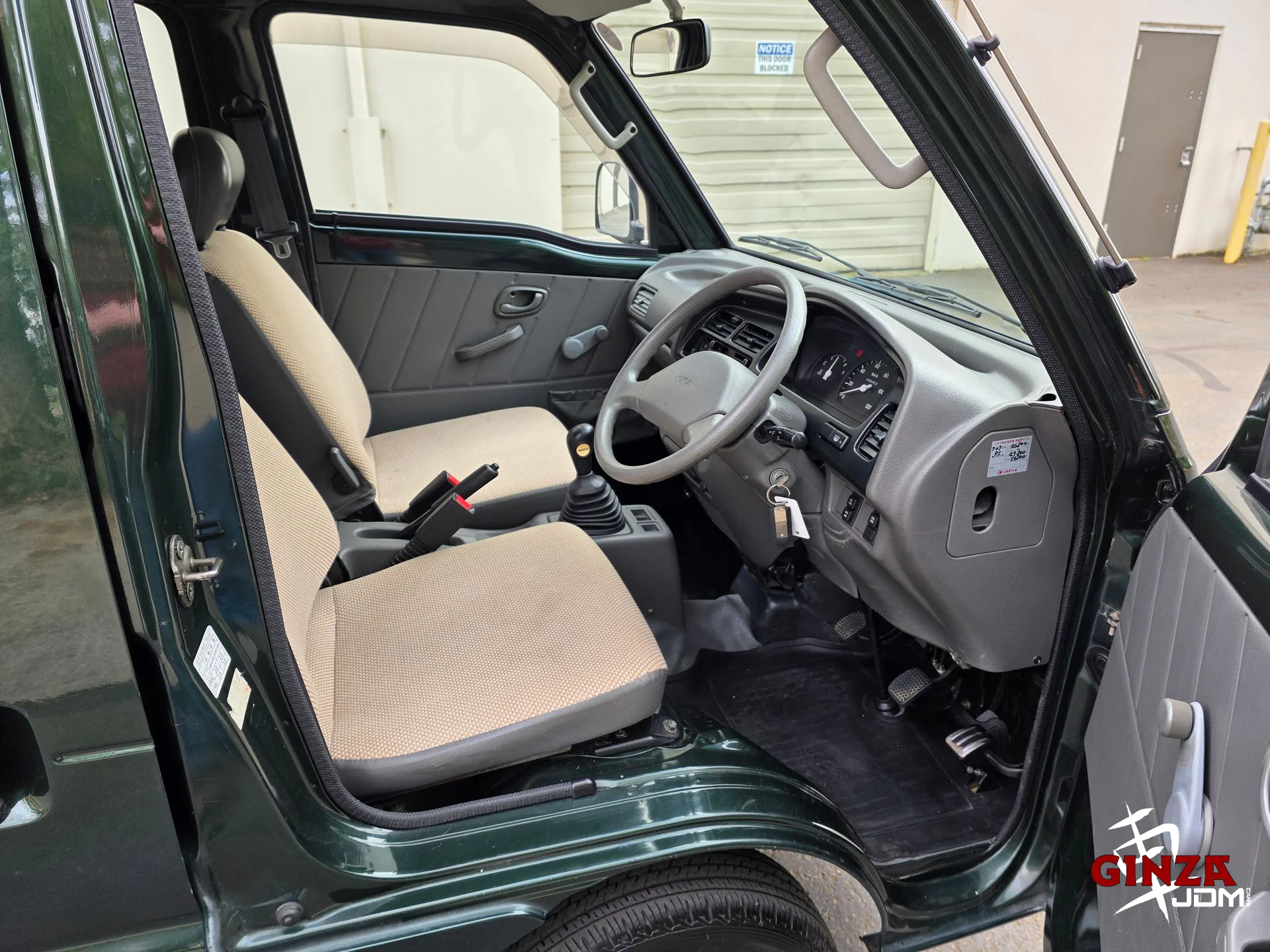
The most significant change when daily driving a JDM car in the US is the seating position. Being on the right side of the car changes how you approach certain situations. Left turns at intersections require more caution because your view of oncoming traffic can be obscured. Drive-thrus and toll booths are designed for left-hand drive cars, so you might find yourself reaching across the passenger seat or using a reaching tool.
Most drivers find they adapt to right-hand drive within a few days. The pedals stay in the same configuration (gas on the right, brake in the middle), and the gear shift is still in the center. The blinker and wiper stalks are often swapped, which usually leads to a few accidental wiper swipes on sunny days. Once the muscle memory kicks in, it becomes second nature. The uniqueness of the experience often outweighs the minor inconveniences at the bank or the coffee shop.
Maintenance and Parts Logistics
Maintaining a JDM classic requires a proactive mindset. You cannot always walk into a local chain auto parts store and find what you need on the shelf. However, the internet has made this significantly easier. Many JDM models share filters, spark plugs, and brake pads with US-market cars. For specific Japanese parts, several specialized importers and online retailers can ship items from Japan to your door in less than a week.
Research cross-compatible parts before you buy the car.
Find a local mechanic who is comfortable working on older Japanese engines.
Keep a small stash of common wear items like oil filters and belts.
Use high-quality fluids to protect older seals and gaskets.
By staying ahead of maintenance, you ensure your JDM import remains as reliable as it was when it left the factory. These cars were built to last hundreds of thousands of kilometers. With a little care, they will easily handle the rigors of an American commute. For those concerned about the upfront cost, financing options are available for many of these classic imports, making it easier to trade your boring daily for something with actual soul. Shipping a car from a coastal port to your home state is also more affordable than ever, with many services offering nationwide delivery directly to your driveway.
Finding the Right Balance
A JDM daily driver is more than just transportation. It is a conversation starter and a hobby you can enjoy every single day. Whether you choose the executive luxury of a Toyota Chaser or the high-revving excitement of a Honda Civic, you are buying into a legacy of Japanese engineering. The key is to choose a model that fits your specific needs and to buy the best condition example your budget allows. High standards for vehicle history and condition verification are essential when picking a car that you will rely on for work every morning. When you find the right one, even the most mundane commute becomes an event you look forward to.